[Event Information]
- Event: 7th International Conference on Environmental Design and Health (ICED 2026)
- Location: Harokopio University, Athens, Greece
- Dates: October 24–25, 2026
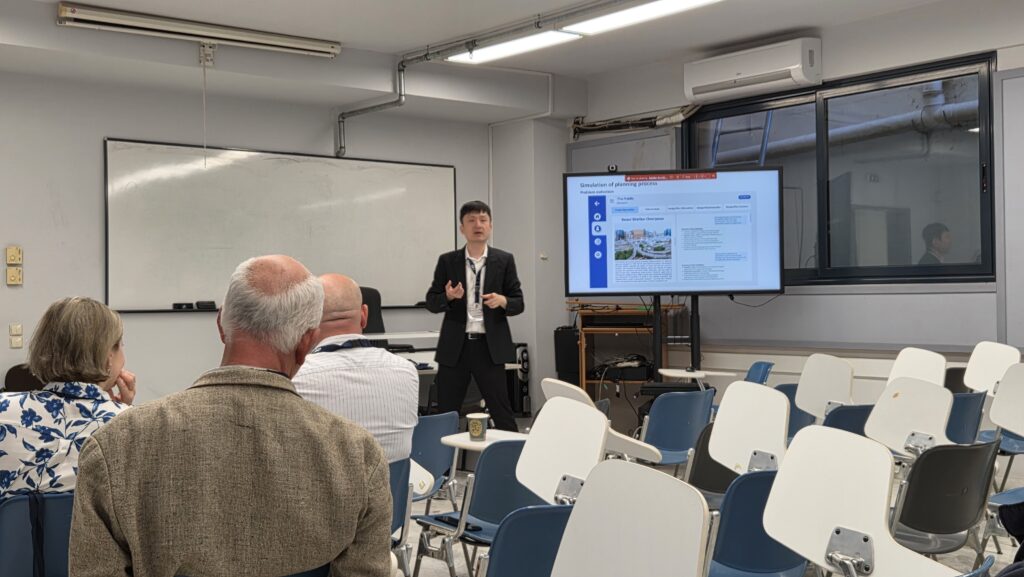
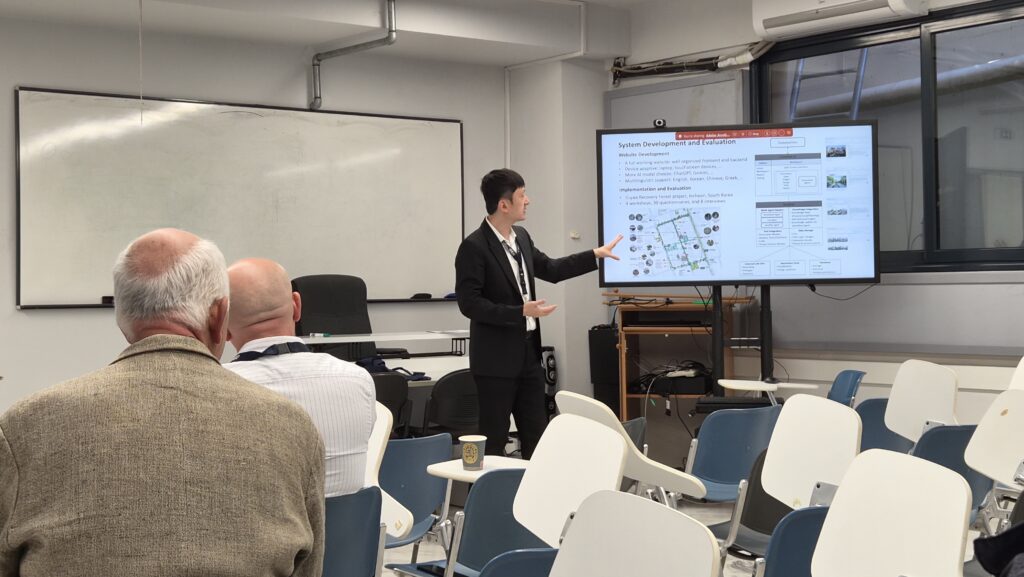
- Oral Presentation: Implementing Artificial Intelligence-Enabled Participatory Planning Support Systems
- Presenter: Professor Steven Jige Quan, City Energy Lab, Seoul National University
- Session Chair: Professor Steven Jige Quan (Economics–Politics–Management–Social I)
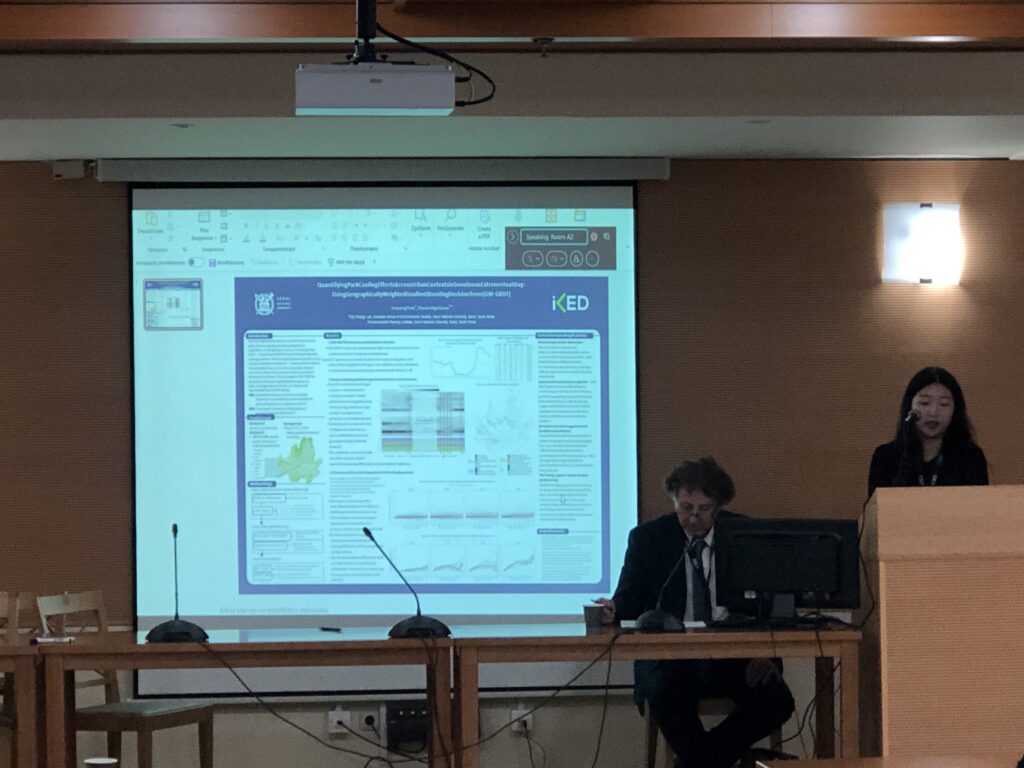
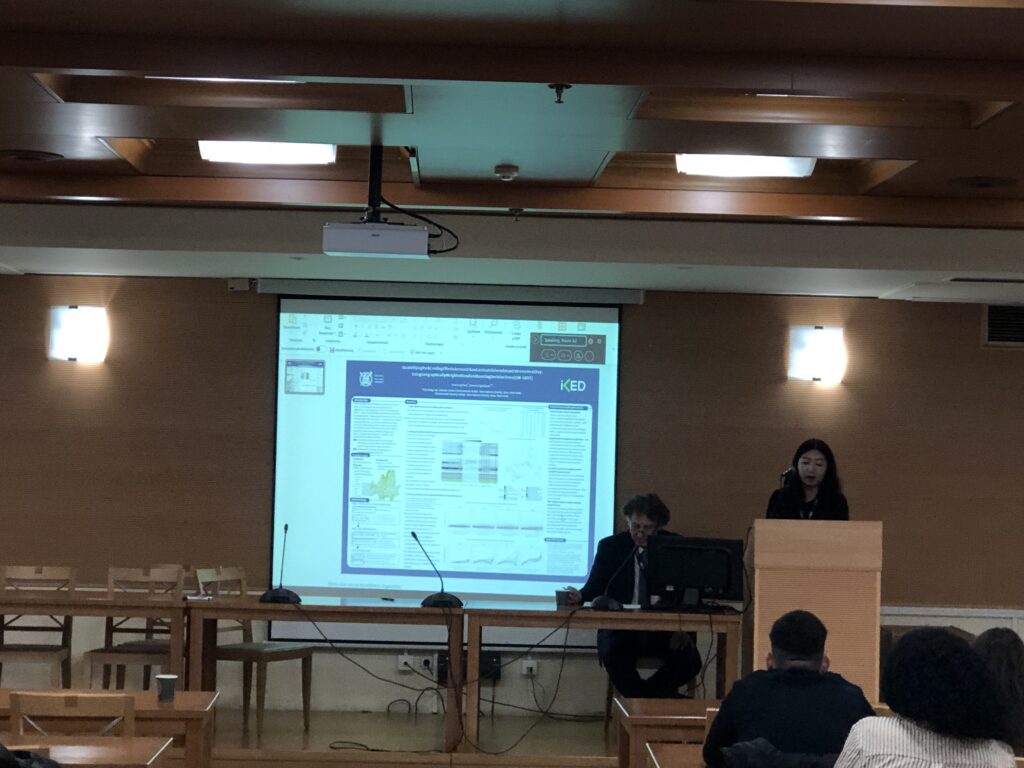
- Poster Presentation: Quantifying Park Cooling Effects across Urban Contexts in Seoul: Using Geographically Weighted Gradient Boosting Decision Trees (GW-GBDT)
- Poster Presenter: Inseong Yum, City Energy Lab, Seoul National University
Summary
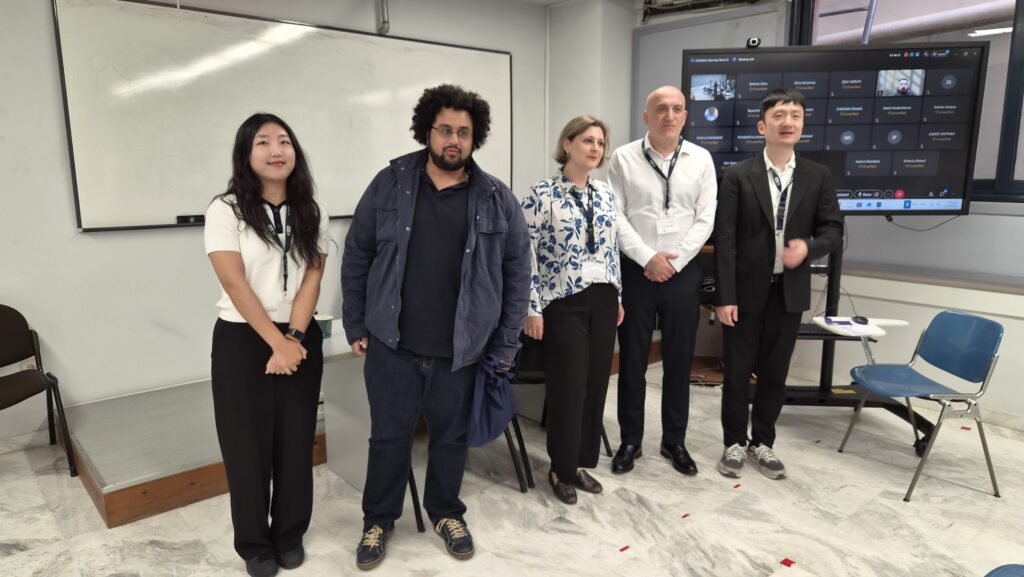
Professor Steven Jige Quan and Inseong Yum from City Energy Lab, Seoul National University, participated in the 7th International Conference on Environmental Design and Health (ICED 2026), held at Harokopio University in Athens, Greece, on October 24–25, 2026.
At the conference, Professor Quan presented his research titled “Implementing Artificial Intelligence-Enabled Participatory Planning Support Systems,” co-authored with Seojung Lee. The study introduced a functional web-based platform integrating AI agents, a project-specific knowledge base, and generative AI tools to support five stages of participatory urban planning: problem definition, data analysis, alternative generation, alternative evaluation, and decision support. Using the Seoullo scenario as a demonstration, the research highlighted the potential of AI-enabled planning support systems to enhance stakeholder communication, information interpretation, and collaborative decision-making, while identifying practical challenges for real-world implementation.
In addition to his presentation, Professor Quan served as the session chair for the Economics–Politics–Management–Social I session on October 24, facilitating academic presentations and discussions on environmental governance, policy, and sustainability.
Inseong Yum delivered a poster presentation titled “Quantifying Park Cooling Effects across Urban Contexts in Seoul: Using Geographically Weighted Gradient Boosting Decision Trees (GW-GBDT),” co-authored with Professor Quan. Presented in the Cities poster session on October 25, the research explored spatial variations in urban park cooling effects across different urban contexts in Seoul, applying geographically weighted machine learning methods to investigate the relationship between urban environments and cooling performance.
The conference provided opportunities to exchange research ideas with international scholars and discuss emerging approaches to AI-assisted participatory planning, urban climate resilience, and data-driven environmental design. Both presentations reflected City Energy Lab’s ongoing research efforts to advance sustainable and climate-responsive urban planning through computational and AI-based approaches.
0 Comments